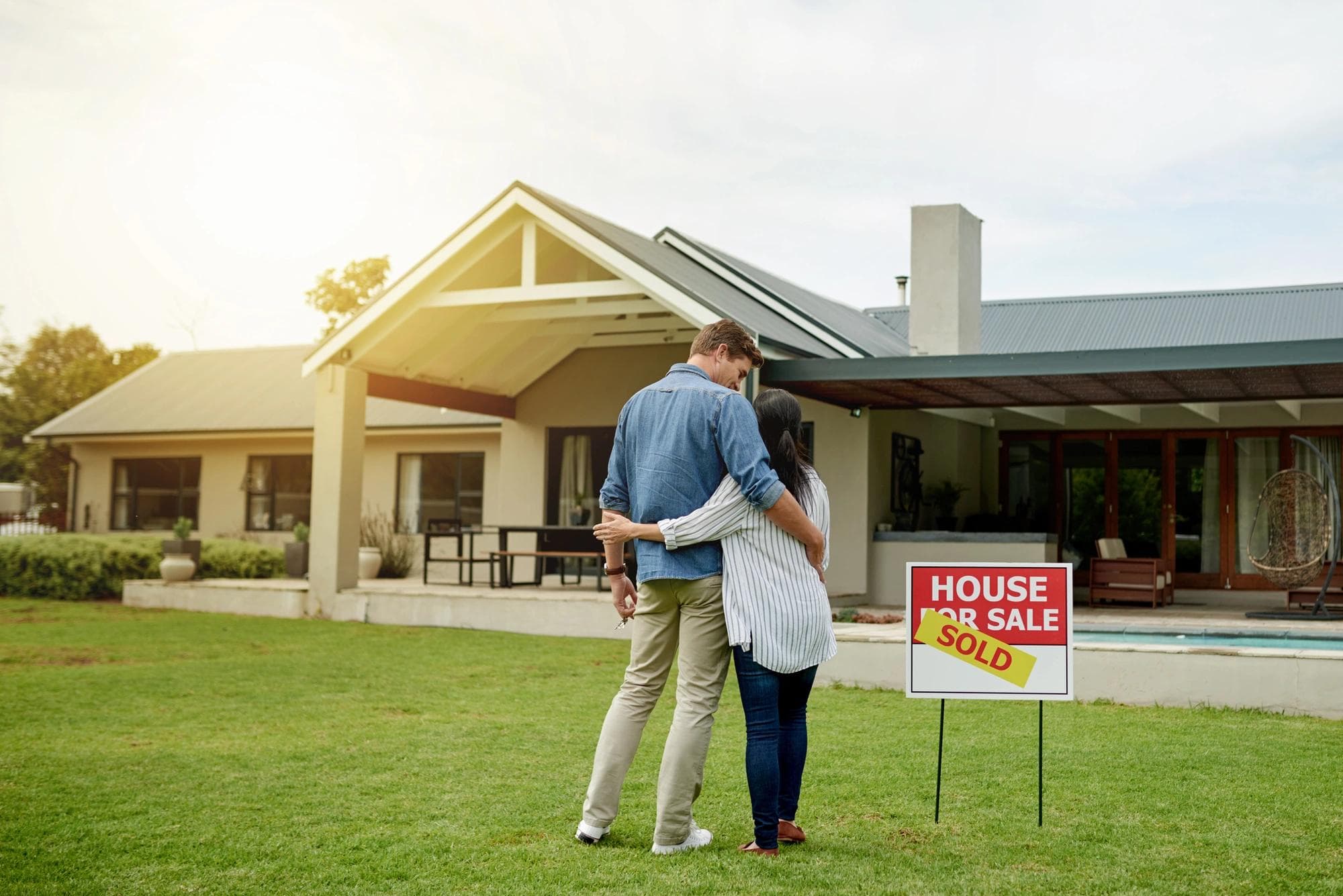
Buying your first home is a big step. While it’s an exciting journey, it can also be overwhelming. From choosing the right location to determining your budget, there’s a lot to consider. This checklist will guide you through 10 key steps to help ensure a smoother homebuying experience.
1. Build a strong credit score.
The minimum credit score requirements to qualify for a mortgage depends on the lender, but scores above 725 are generally considered very good. To improve your score, pay your bills on time, reduce overall debt, and avoid maxing out your credit cards. Keeping credit card balances well below the available credit limit can also positively impact your score. Check your credit score using Credit Coach in the BMO mobile banking app.
2. Determine what you can afford.
Understanding your debt-to-income ratio is important. This ratio represents the percentage of your total monthly income (before deductions) that goes toward debt repayment. Lenders generally seek ratios of 36% or lower. When budgeting for a home, remember to factor in costs like property taxes, utilities and maintenance on top of you mortgage payment. Use BMO’s mortgage affordability calculator to estimate a realistic monthly budget and avoid surprises.
3. Decide on your down payment.
Although a down payment can be as little as 5% of your home purchase price, mortgage default insurance is required by the Government of Canada when your down payment is less than 20%. You can pay for default insurance in a lump sum when your mortgage begins, or you can have the amount added to your mortgage balance and pay it off over time. If you have contributed to a First Home Savings Account (FHSA), withdrawals are tax-free for eligible first home purchases. Remember that the funds need to be used by the 15th anniversary of opening your first FHSA.
The Home Buyers’ Plan (HBP) allows eligible first-time homebuyers to withdraw up to $60,000 from their Registered Retirement Savings Plan (RRSP) tax-free to buy or build a qualifying home. Couples can each withdraw $60,000 for a combined total of $120,000. To qualify, individuals must not have owned a home in the past four years, unless they are separated, divorced, or purchasing for a disabled relative. Withdrawn funds must have been in the RRSP for at least 90 days, and repayment is required over 15 years, starting the second year after withdrawal (or the fifth year for withdrawals made between 2022 and 2028). Missed repayments are added to taxable income for that year.
4. Explore your mortgage options.

A fixed-rate mortgage stays the same for the entire mortgage term and offers predictability, enabling you to budget for the long-term more easily. If you are pre-approved, you can lock in a preapproved rate for a set period of time while you are house hunting.
A variable mortgage rate moves with the prime rate. It allows you to pay off your mortgage faster if rates are falling. There are no guarantees this rate won’t increase over time, but you can lock into a fixed rate at any time.
You can also combine a mortgage with a line of credit. This hybrid strategy gives you the benefit of a traditional regular mortgage where you pay down your house and the flexibility of a line of credit. As you pay down your mortgage, your available line of credit increases, allowing you to borrow against the equity in your house which can be used to cover various expenses such as home renovations.
5. Get pre-approved for a mortgage.
When you’re serious about purchasing a home, pre-approval will let you know how much you can borrow so you know exactly how much you can spend on your home. Many lenders will allow you to lock in your pre-approval interest rate for a period of time, enabling you to shop with peace of mind, especially if rates are increasing. In addition, pre-approval shows sellers that you’re serious and can help expedite the homebuying process. Pre-approval remains subject to there being no material change to the information provided at the time of pre-approval. At this point, try not to do anything that might compromise your credit score, like opening a new credit card.
6. Get your personal documents in order.
Rounding up documents your lender may request will help the process move more efficiently when the time comes. Typically, you’ll need to provide two pieces of identification such as valid government-issued photo ID (e.g., driver's license, passport, permanent resident card, health card, Social Insurance Number card, etc.). For salaried employees, lenders typically require recent pay stubs from the past 30 days, a letter of employment stating your role, your most recent T4 slip and Notices of Assessment from the Canada Revenue Agency (CRA) for the previous two years. Self-employed individuals should be prepared to provide Notices of Assessment from the CRA and personal tax returns (T1 General) for the past two years, along with business financial statements, if applicable, and proof of business ownership such as a license or registration.
7. Be prepared to provide proof of down payment.
To demonstrate the source of your down payment, you’ll typically need to provide recent bank statements showing the accumulation of funds, a letter from a donor, if the down payment is a gift, along with proof of transfer, withdrawal documentation if using the Home Buyers’ Plan or FHSA, investment statements for funds drawn from stocks, bonds, or mutual funds, or a sale agreement if the down payment comes from the sale of property.
8. Be prepared to cover closing costs.
Closing costs typically range from 1.5% to 4% of the home’s purchase price and include land transfer taxes (varying by province), legal fees and disbursements, title insurance, home inspection and appraisal fees, and mortgage default insurance if your down payment is less than 20%. Buyers may also encounter adjustments for property taxes and utilities, as well as costs for setting up utilities or obtaining a property survey. BMO’s closing cost calculator can help you estimate these expenses.
9. Build an emergency home maintenance fund.
Unlike renting, owning a home means you are responsible for its upkeep. While you may already budget for routine annual maintenance like cleaning gutters and checking smoke and carbon monoxide detectors, it’s important to also save money for unexpected major repairs such as plumbing issues, a leaky roof or a broken furnace. A common guideline is to set aside at least 1% of your home’s purchase price each year for these potential expenses, in addition to maintaining your regular emergency fund for unforeseen events, such as a job loss.
10. Find a good real estate agent.
An experienced real estate agent can guide you through the home-buying process, negotiate the purchase on your behalf, and can assist in the review of legal documents when the sale goes through. Look for an agent familiar with the area you’re buying in, as they can help identify good deals and may have access to off-market listings. A good agent will also be able to spot issues with a home that you might miss and recommend a reputable inspector. Last but not least, they can be your voice of reason during a very emotional time.
Buying your first home requires careful planning, research, and financial preparation. Follow this checklist to bring ease to the homebuying process, and of course, don’t hesitate to connect with a BMO Private Wealth financial professional for support.